Key Takeaways
- Robot vacuums are designed for routine floor cleaning and work best as a supplement to traditional vacuuming rather than a complete replacement.
- Smart features like home mapping, scheduling, and voice control can make daily cleaning more convenient and efficient.
- Choosing the right model depends on your flooring, home layout, household size, and cleaning needs.
- Regular maintenance, including cleaning brushes, emptying dustbins, and replacing filters, helps keep a robot vacuum performing at its best.
- Homes with pets, children, or heavy foot traffic often benefit the most from consistent automated cleaning.
- Keeping floors free of clutter allows the vacuum to clean more effectively and helps maintain an organized living space.
- Comparing features, performance, and long-term value can help you select a robot vacuum that fits your budget and lifestyle.
Robot vacuums have become one of the most popular smart home devices in recent years. Once considered a luxury, they are now available in a wide range of prices and feature sets, making them accessible to many homeowners and renters. These small, automated cleaning devices promise to save time by vacuuming floors with little effort from the user.
But are robot vacuums really worth the investment? The answer depends on your home, lifestyle, flooring, and cleaning expectations. While these devices can make everyday maintenance easier, they are not a complete replacement for traditional vacuum cleaners. Understanding both their strengths and limitations can help you decide whether one fits your household.
If you are considering adding a robot vacuum to your smart home setup, this guide covers the key features, benefits, drawbacks, and buying considerations to help you make an informed decision.
Understand What a Robot Vacuum Can and Cannot Do
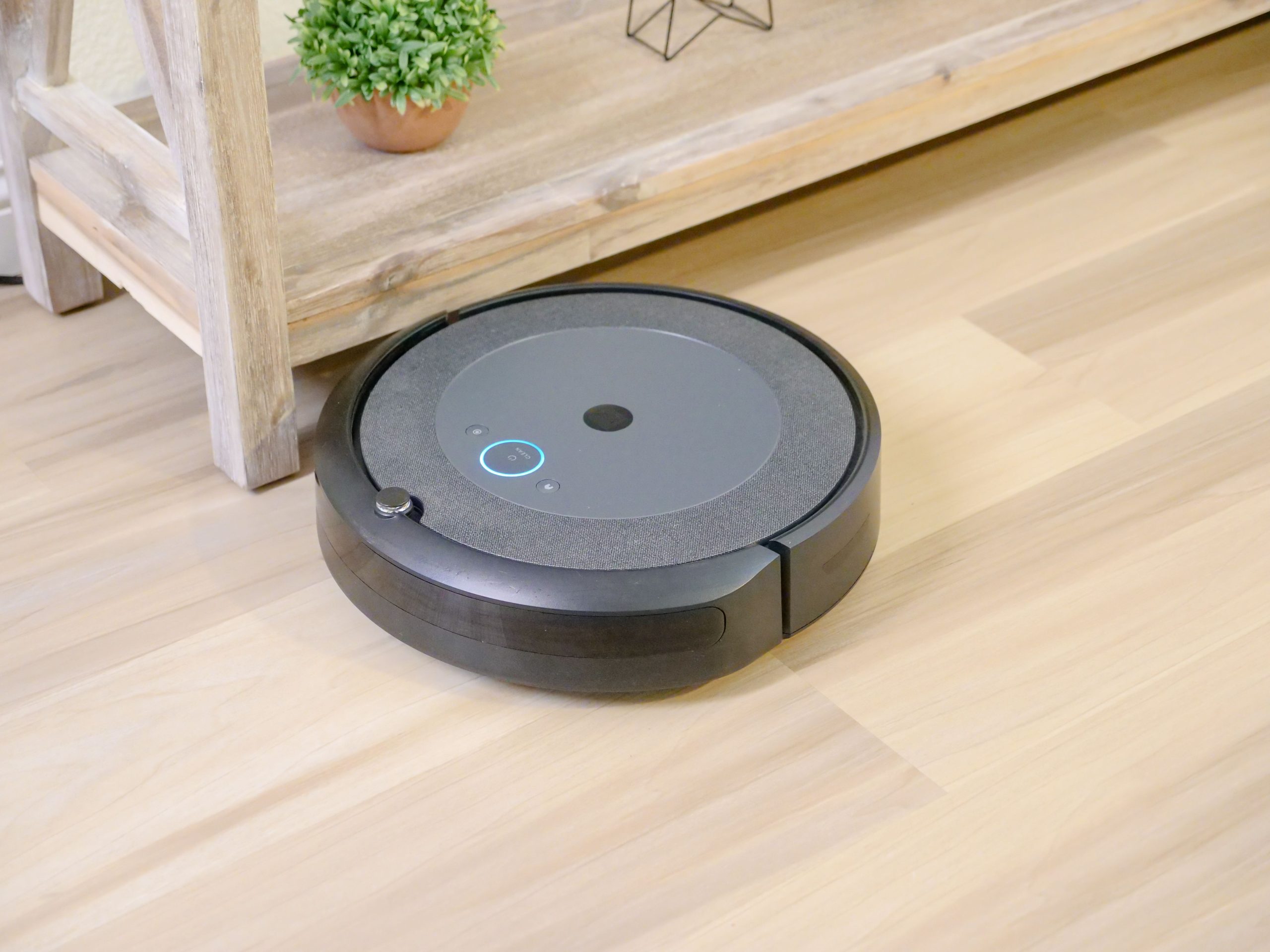
Robot vacuums are designed to handle routine floor cleaning rather than deep cleaning. Their primary purpose is to pick up dust, dirt, pet hair, crumbs, and other everyday debris from hard floors and low- to medium-pile carpets.
Most models move through your home using sensors, cameras, lasers, or mapping technology. They automatically navigate around furniture, avoid obstacles, and return to their charging dock when the battery runs low. Many can also resume cleaning where they left off after recharging.
While robot vacuums perform well for daily maintenance, they cannot clean stairs, upholstery, curtains, or tight corners as effectively as upright or canister vacuums. Occasional manual vacuuming remains necessary for a thorough cleaning.
Understanding these limitations helps set realistic expectations before making a purchase.
Robot vacuums are best for:
- Daily floor maintenance
- Pet hair removal
- Dust collection
- Light debris cleanup
- Scheduled cleaning sessions
The Biggest Benefits of Owning a Robot Vacuum
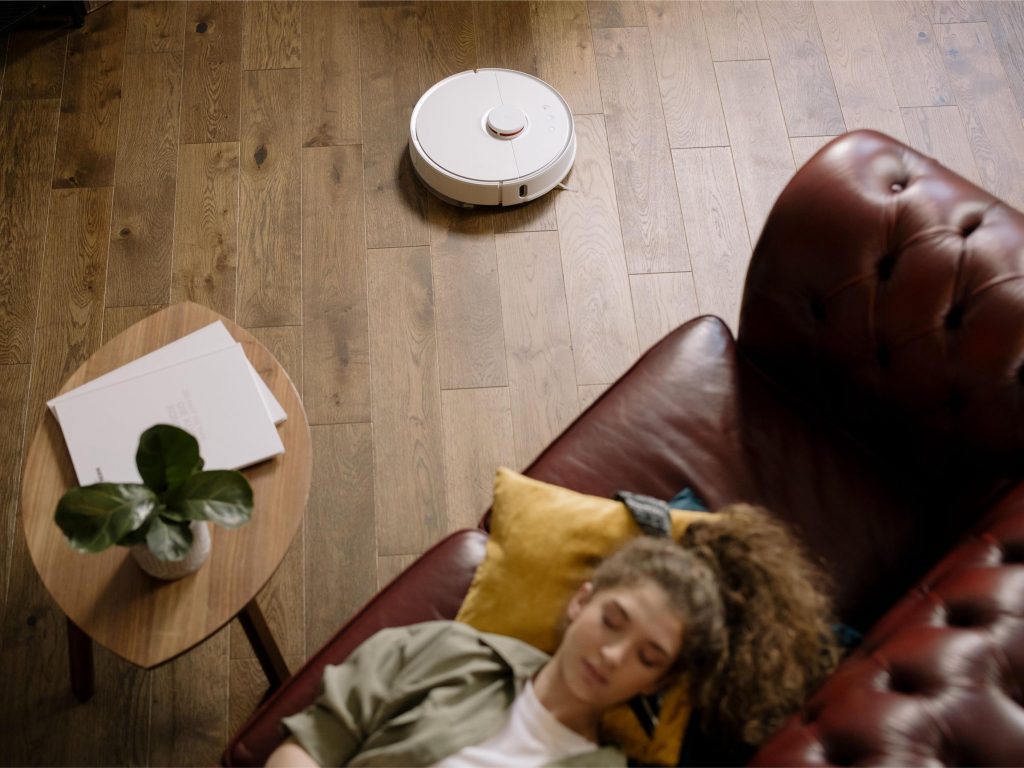
For many households, convenience is the biggest advantage. Instead of spending time vacuuming every few days, the robot handles much of the routine work automatically.
This is especially helpful for busy professionals, families with children, seniors, or anyone with mobility limitations. Running the vacuum while you are at work or sleeping allows floors to stay consistently cleaner without requiring extra effort.
Homes with pets often benefit significantly because regular vacuuming helps reduce pet hair, dander, and tracked-in dirt. Frequent cleaning also helps minimize dust buildup between deep-cleaning sessions.
Many owners find that cleaner floors encourage them to keep the rest of the home tidier as well.
Major advantages include:
- Saves time
- Cleans automatically
- Reduces pet hair
- Supports regular cleaning
- Operates on scheduled routines
Smart Features Continue to Improve
Today’s robot vacuums offer much more than simple automated movement. Many premium models include advanced mapping systems that learn the layout of your home and create detailed floor plans.
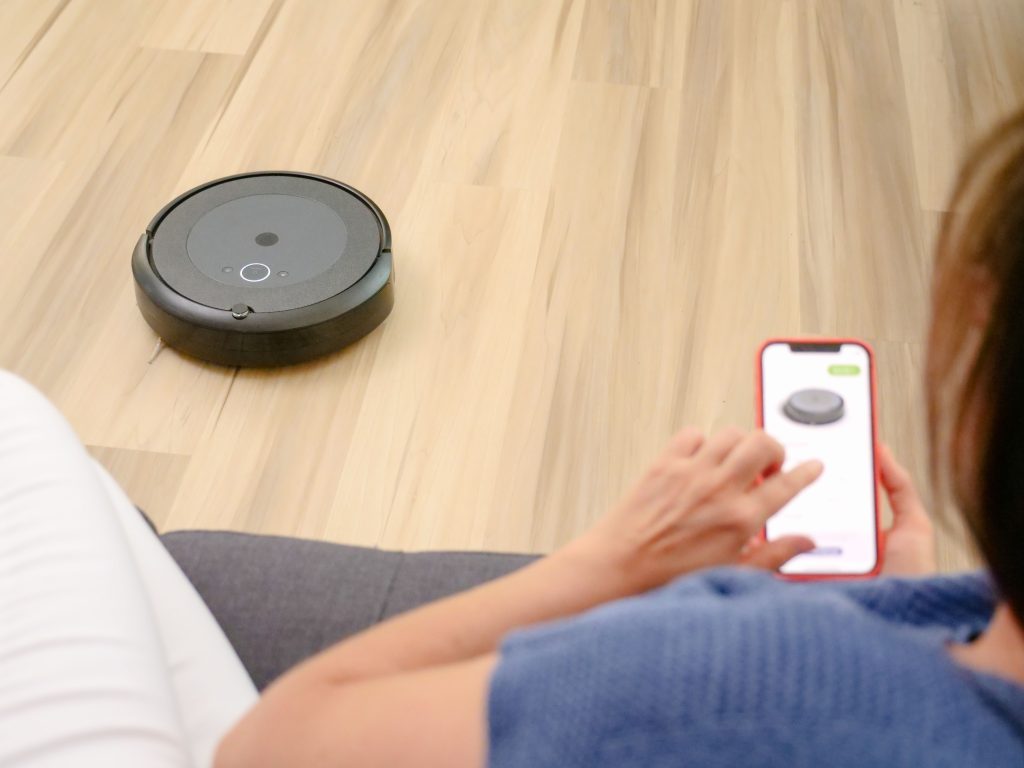
Smartphone apps allow users to start or stop cleaning remotely, schedule cleaning sessions, monitor progress, and select specific rooms for cleaning. Some models support voice control through smart home assistants, allowing users to begin cleaning with a simple voice command.
Advanced navigation also reduces missed areas and improves efficiency compared to older models that cleaned using random movement patterns.
Some robot vacuums even empty their own dustbins into larger collection containers, reducing maintenance for weeks at a time.
Popular smart features include:
- Home mapping
- Room-specific cleaning
- Voice assistant compatibility
- Scheduled cleaning
- Automatic charging
- Self-emptying dustbins
Consider Your Flooring Type
Not every robot vacuum performs equally well on every flooring surface. Before purchasing one, consider the types of floors throughout your home.
Hardwood, laminate, vinyl, and tile floors are generally excellent surfaces for robot vacuums. They easily collect dust, crumbs, and pet hair from these smooth surfaces.
Low-pile carpets are also suitable for many models. However, homes with thick, high-pile carpeting may require stronger suction and larger wheels for effective cleaning. Some robot vacuums struggle to transition between different flooring heights.
If your home includes a variety of floor types, look for models that automatically adjust suction power based on the surface being cleaned.
Flooring compatibility matters for:
- Hardwood
- Tile
- Vinyl
- Laminate
- Low-pile carpet
- Area rugs
Think About Your Home’s Layout
Your home’s layout plays an important role in how well a robot vacuum performs. Open floor plans generally allow robots to clean efficiently with fewer interruptions.
Homes filled with narrow walkways, numerous cords, children’s toys, pet bowls, or loose clothing may require some preparation before each cleaning cycle. Although newer models avoid obstacles more effectively, clutter can still slow progress.
Multi-story homes present another consideration. Since robot vacuums cannot climb stairs, owners either move the vacuum between floors or purchase separate units for each level.
Taking a few minutes to prepare the floors before scheduled cleaning allows the robot to work much more efficiently.
Home layout considerations include:
- Number of floors
- Furniture placement
- Floor transitions
- Household clutter
- Cords and cables
Maintenance Is Still Required
Although robot vacuums automate much of the cleaning process, they still require regular maintenance to perform well.
Dustbins should be emptied frequently unless the vacuum includes a self-emptying station. Brushes need occasional cleaning because hair and thread naturally wrap around rotating components. Filters also require periodic replacement according to the manufacturer’s recommendations.
Keeping sensors clean helps maintain accurate navigation. Wheels should also be inspected regularly to remove trapped debris that may reduce mobility.
Fortunately, most maintenance tasks require only a few minutes each week.
Routine maintenance includes:
- Empty dustbins
- Clean brushes
- Replace filters
- Wipe sensors
- Inspect wheels
- Update software when available
Know When a Robot Vacuum May Not Be Enough
Robot vacuums excel at maintenance cleaning but are not designed to replace every cleaning tool in your home.
Deep carpet cleaning, upholstery, stairs, ceiling corners, window treatments, and heavy debris often require a traditional vacuum or other cleaning equipment. Large spills and wet messes should also be cleaned immediately rather than relying on the robot.
Some combination models offer both vacuuming and mopping functions, but they generally perform best on light maintenance rather than heavy scrubbing.
Viewing the robot vacuum as a supplement rather than a replacement leads to greater satisfaction with its performance.
You’ll still need traditional cleaning for:
- Stairs
- Upholstery
- Deep carpet cleaning
- Ceiling corners
- Heavy messes
A Robot Vacuum Can Support Overall Home Care
One unexpected benefit of owning a robot vacuum is that it encourages homeowners to keep floors free of clutter. Picking up cords, shoes, toys, and other obstacles before scheduled cleaning naturally leads to a more organized home.
Regular floor cleaning also makes it easier to notice home maintenance warning signs such as water leaks, cracked flooring, loose baseboards, pest activity, or damaged flooring that might otherwise remain hidden beneath dust and clutter.
Because robot vacuums clean frequently, homeowners spend more time observing their floors and living spaces, making it easier to identify developing problems before they become expensive repairs.
Cleaner homes are often easier to maintain in every respect.
Routine cleaning can help you notice:
- Water stains
- Loose flooring
- Cracked tiles
- Pest activity
- Damaged trim
Compare Costs With Long-Term Value
Robot vacuums range from budget-friendly models to premium units with advanced smart features. While higher-end models often cost significantly more, they may also include better navigation, stronger suction, self-emptying stations, and longer battery life.
Rather than focusing only on the purchase price, consider the long-term value. A reliable robot vacuum may reduce the amount of time spent cleaning each week while helping maintain cleaner floors consistently.
For busy households, the convenience alone often justifies the investment. Others may prefer a simpler model if they only need occasional maintenance cleaning.
Choosing the right model depends on your budget, home size, flooring, and expectations.
Factors affecting value include:
- Cleaning performance
- Battery life
- Smart features
- Maintenance requirements
- Warranty coverage
Is a Robot Vacuum Right for Your Home?
The best robot vacuum for one household may not be the best choice for another. Consider your daily routine, cleaning habits, flooring, and household size before making a decision.
Homes with pets, children, or high foot traffic often benefit the most because frequent automatic cleaning helps control dirt between deep-cleaning sessions. Smaller apartments may do well with basic models, while larger homes often benefit from advanced mapping features.
Reading reviews, comparing specifications, and identifying the features that matter most to your lifestyle will help you choose a model that provides lasting value.
Like many smart home devices, the goal is convenience rather than perfection.
Questions to ask before buying:
- What type of flooring do I have?
- Do I have pets?
- How large is my home?
- Do I want smart home integration?
- How much maintenance am I comfortable performing?
Final Thoughts
Robot vacuums have evolved into practical tools that make everyday cleaning easier for many households. While they cannot completely replace traditional vacuum cleaners, they excel at maintaining cleaner floors with minimal effort. For busy homeowners, pet owners, and anyone looking to simplify routine chores, they can be a worthwhile investment.
Before purchasing a robot vacuum, carefully consider your home’s layout, flooring, budget, and cleaning expectations. Understanding what these devices do well—and where they still have limitations—helps ensure you choose a model that fits your needs.
With the right expectations and regular maintenance, a robot vacuum can become a valuable part of your smart home, saving time while keeping your living spaces cleaner throughout the week.